Isi Email Address Disini:

Tampilkan postingan dengan label Types. Tampilkan semua postingan

Rabu, 23 Januari 2013

Malignant Mesothelioma

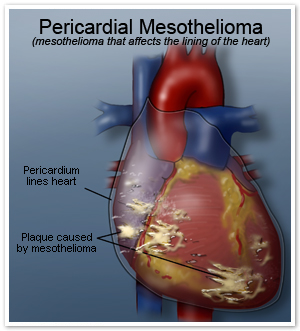
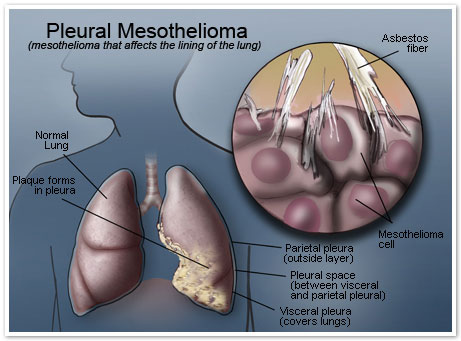
Malignant Mesothelioma is a rare form of cancer that affects the thin cell wall lining of the body's internal organs and structures. This lining is known as the mesothelium. Malignant mesothelioma has three known varieties. They are malignant pleural mesothelioma, malignant pericardial mesothelioma, and malignant peritoneal mesothelioma. Pleural mesothelioma occurs in the pleura, the lung's lining. Peritoneal mesothelioma occurs in the peritoneum, the abdominal cavity wall. And pericardial mesothelioma occurs in the lining of the hearth, known as the pericardium.

What Causes Malignant Mesothelioma?

Mesothelioma is known only to be caused by asbestos exposure. Asbestos is a nature, yet toxic mineral that was used commonly in heavy industry. Microscopic asbestos fibers enter the body through the lung or ingestion. Once inside, the durable fibers are unable to be broken down or expelled by the body, causing a harmful inflammation and scarring of the mesothelium. This scarring lays the groundwork for malignant mesothelioma and other respiratory conditions, such as asbestosis.
There is a great deal of latency associated with asbestos exposure and the onset of mesothelioma. Often patients will not encounter mesothelioma symptoms until 30-50 years following exposure to asbestos. In many cases, those diagnosed with mesothelioma are not those who were directly exposed to asbestos in a jobsite setting. Spouses and children of those exposed to asbestos who frequently came into contact with the fibers on the clothing or person of those exposed have also developed malignant mesothelioma as a result.

How is Malignant Mesothelioma Treated?

Malignant mesothelioma prognosis is poor, as often the disease will be diagnosed in its later stages after symptoms have appeared. However, there are several treatment options for the management of the cancer. Among these are mesothelioma chemotherapy, radiation therapy, and surgical resection. Chemotherapeutic and radiation therapy methods are more likely but surgery is often an option for those whose disease is diagnosed early enough.
More aggressive therapies are now possible for patients with mesothelioma diagnosed in its earlier stages. For instance, extrapleural pneumonectomy is now possible in many pleural mesothelioma patients who are deemed eligible for aggressive surgery. Extrapleural pneumonectomy involves the removal of the entire affected lung, the pericardium, the pleura, and the diaphragm. This aggressive surgery is performed frequently in early stage mesothelioma patients by Dr. David Sugarbaker at the Brigham and Women's Hospital in Boston, MA.
Patient's who are eligible to receive an aggressive surgery, like an extrapleural pneumonectomy, will have a far more favorable prognosis than those diagnosed with advanced stage inoperable disease. However, there are treatment options for nearly all mesothelioma patients. Chemotherapy cocktails such as the use of Alimta® in conjunction with Cisplatin, as well as numerous other clinical trial being carried out give mesothelioma patients the ability to slow the advance of the disease and extend survival rates.

Malignant Pleural Mesothelioma

Malignant pleural mesothelioma is the most common type of mesothelioma and occurs in the mesothelial membrane surrounding the chest cavity and lungs. Pleural mesothelioma, because it is more common than other varieties of the malignancy, has had more research invested in it. Pleural mesothelioma represents approximately 70% of all mesothelioma diagnoses.

Malignant Peritoneal Mesothelioma

Malignant peritoneal mesothelioma is less common than pleural mesothelioma and represents approximately 15-20% of all mesothelioma diagnoses. Peritoneal mesothelioma occurs in the lining of the abdominal cavity in the membrane surrounding the organs of this region. Like pleural mesothelioma, peritoneal mesothelioma is known only to be caused by exposure to asbestos.

Malignant Pericardial Mesothelioma

Malignant pericardial mesothelioma is among the rarest of all known malignancies, and represents less than 10% of all mesothelioma diagnoses. Pericardial mesotheliomas occur within the mesothelial lining of the heart. Pericardial mesotheliomas, like those of pleural and peritoneal varieties, are associated with asbestos exposure. Pericardial mesotheliomas differ from the pleural variant in that they are known to occur in younger individuals. While surgery is seen as the preferred method of treatment, mobidity and mortality are almost certain given the region in which the tumor is located.

How is Malignant Mesothelioma diagnosed?

Malignant Mesothelioma will typically be suspected if the patient complains of chest pain, difficulty breathing, shortness of breath, chronic cough, or difficulty swallowing. While any of these could indicate mesothelioma, they are also associated with many other respiratory conditions so further diagnostic procedures are typically warranted before an accurate malignant mesothelioma diagnosis can be made. These may include imaging scans, such as computer topography or magnetic resonance imaging. A diagnostic biopsy is also required for cancer specialist to examine the behavior of these cells before a diagnosis is determined.
Misdiagnosis is not uncommon in patients of the malignant mesothelioma, because the disease's symptoms so closely resemble those of other related conditions, including lung cancer, and other respiratory ailments. For this reason those who are at high-risk of mesothelioma (including those with asbestos history) should consult with physicians and cancer centers well versed in the treatment and diagnosis of malignant mesothelioma.

What options do patients of Malignant Mesothelioma have?

Unfortunately, many of those diagnosed with malignant mesothelioma have incurred illness as a result of a negligent exposure to asbestos. It is now clear that many asbestos manufacturers were well aware of the hazards of asbestos and asbestos exposure. Hundreds of thousands of laborers and workers have been exposed in shipyards, power plants, factories, and other jobsites- thousands of which develop malignant mesothelioma each year.
Patients of malignant mesothelioma or any other asbestos related health complications should consult their physician regarding the many mesothelioma treatment options that are available.  Also, patients may be eligible for compensation if they were wrongfully exposed. All those seeking further information should fill out the brief contact form on this page to receive a mesothelioma and asbestos information packet detailing treatment and legal options.
Read More...

Pericardial Mesothelioma

Malignant mesothelioma is a type of cancer that originates in the mesothelium, a thin wall of cells that surround the body's organs and internal structures. Pericardial mesothelioma originates in the lining of the heart. Other locales of the disease are malignant pleural mesothelioma, which occurs in the lining of the lungs and malignant peritoneal mesothelioma, which occurs in the abdomen wall. Pericardial mesothelioma is the rarest of these malignancies and accounts for only an estimated 10 percent of all mesothelioma incidences annually.

What Causes Pericardial Mesothelioma?

Pericardial mesothelioma is an asbestos cancer, meaning it's only known cause is asbestos exposure. Asbestos is a naturally occurring, but toxic, mineral that was used in industrial capacities. While the precise route by which microscopic asbestos fibers reaches the pericardial lining is not known, mesothelioma doctors surmise that inhaled asbestos fibers are absorbed into the bloodstream and become entangled in the heart's lining as the blood processes through the heart. Malignant mesothelioma occurring in other parts of the body, such as in the pleura or peritoneum, can also metastasize to the pericardial lining.

How is Pericardial Mesothelioma Treated?

Prognoses are poor in cases of pericardial mesothelioma, just as nearly every mesothelioma prognosis is. However, several treatment options exist to help patients manage the disease and maintain comfort. Chemotherapy and radiation therapy are the most likely mesothelioma treatment options for patients of this disease. Mesothelioma surgery is typically not an option because of the location of the disease and the risk of grave damage to the tumor area.

How is Pericardial Mesothelioma Diagnosed?

Physicians will often suspect pericardial mesothelioma diagnosis if the patient has trouble breathing, shortness of breath, or chest pain. A comprehensive diagnostic and biopsy process will be undergone through use of multiple body imaging scans.

What are a Patient's Options?

Patients of pericardial mesothelioma may be eligible for financial compensation if they were wrongly exposed to asbestos. Anyone who worked with asbestos products is potentially at-risk and should fill out the brief form on this page to receive additional treatment and legal information.
Read More...

Peritoneal Mesothelioma

Malignant peritoneal mesothelioma is a rare type of cancer that occurs in the thin cell walls which surround the abdominal cavity, known as the peritoneum. This thin membrane acts a lubricant within the abdominal cavity so that surrounding organs and internal body structures may contract and expand within their normal body function. Incidence of peritoneal mesothelioma is quite rare, and typically presents in less than 500 individuals in the United States each year.
Other types of mesothelioma include the more common malignant pleural mesothelioma, occurring in the chest wall membrane surrounding the lungs, and malignant pericardial mesothelioma, which occurs in the pericardial lining of the heart. Peritoneal mesothelioma is the second rarest form of the disease and accounts for approximately 20% of all mesothelioma cases each year.

What Causes Peritoneal Mesothelioma?

Peritoneal mesothelioma is known only to be caused by exposure to asbestos, a microscopic natural fiber that was used heavily in industry. Asbestos is said to reach the abdominal wall by one of two methods. The first is through ingested asbestos fibers which are processed through digestion and become lodged in the peritoneum. The other method is through the lungs and lymph nodes, by inhaled asbestos fibers. Malignant mesothelioma of the pleura is also known to metastasize directly into the abdominal cavity if its spread is not slowed.
Many of those who have worked with asbestos materials have developed peritoneal mesothelioma as a result of exposure to friable asbestos fibers. Asbestos was used in myriad industrial materials and construction products. Exposure to asbestos was common in aluminum plants, steel mills, power plants, and naval shipyards.
Peritoneal mesothelioma is a relatively rare disease, with only 200-500 diagnoses each year in the United States being documented. Risk however, is sustained in those who have been exposed to asbestos. Even those exposed many years ago are potentially at risk for the development of malignant peritoneal mesothelioma. Latency between exposure to asbestos and the development of peritoneal mesothelioma symptoms can be anywhere from 20-50 years. Misdiagnosis is also common because peritoneal mesothelioma symptoms closely mimic minor stomach/abdominal discomfort and hernia. Nevertheless, those with clear asbestos exposure history should be aware of the disease and speak with their doctor or cancer specialist if they believe they may be experiencing symptoms related to mesothelioma.

How is Peritoneal Mesothelioma Treated?

Prognosis of mesothelioma patients is poor, and peritoneal mesothelioma patients are no exception. Most peritoneal treatment regimens for patients include palliative methods such as mesothelioma chemotherapy and radiation therapy. However, if the disease is diagnosed in its earlier stages, patients such as those diagnosed with stage 1 mesothelioma, may be eligible for surgical resection of the disease, which could potentially add years to the initial prognosis.
Surgery is possible for patients diagnosed with earlier-stage disease. Some surgical options include peritonectomy and palliative procedures. Certain physicians, including Dr. David Sugarbaker of the International Mesothelioma Program at Brigham and Women’s Hospital in Boston, MA, have become extremely well versed and experienced in the surgical treatment of malignant mesothelioma. In many cases, surgical treatment for mesothelioma will be coupled with chemotherapy or radiation therapy regimens.
Chemotherapy is the most common treatment for mesothelioma disease. Currently, there is only a single chemotherapy regimen (Alimta® (pemetrexed) in conjunction with Cisplatin) approved by the Food and Drug Administration as a prescribed therapy for the treatment of malignant pleural mesothelioma. There are however, dozens of clinical trials being conducted for mesothelioma patients experimenting with new drugs, including Gemcitabine, Navelbine, Onconase, and others for the treatment of malignant peritoneal mesothelioma.

How is Peritoneal Mesothelioma Diagnosed?

Doctors may suspect peritoneal mesothelioma if the patient complains of stomach, chest, or abdominal pain. Suspicious hernias may actually be a peritoneal effusion caused by peritoneal tumor growth. Misdiagnosis is common and patients will likely undergo multiple imaging scans and a diagnostic biopsy before an official diagnosis is made.
Diagnostic procedures in which fluid is extracted from the peritoneum for lab testing are the only way to conclusively diagnose peritoneal mesothelioma. Samples will be examined for the presence of malignant cells. Once malignant cells are detected, further testing will be needed to classify these cells as malignant mesothelioma.

What are a patient's options?

Patients of peritoneal mesothelioma may be eligible for financial compensation if they were harmfully exposed to asbestos. For additional information on your legal rights regarding mesothelioma please fill out the brief form on this page.
Read More...

Pleural Mesothelioma

Pleural mesothelioma is a rare cancer often diagnosed in people who have been exposed to high levels of asbestos. The malignancy affects the pleura, a thin membrane of lubricating cells that lines the lungs and chest wall. It sometimes takes 10 years or more for changes to appear that are indicative of pleural disease, and even long for symptoms to manifest. These differences can include a thickening or calcification of the pleural lining, a condition commonly diagnosed as pleural plaques. Conditions like pleural calcification or the development of pleural plaques often serve as pre-cursor to mesothelioma.
In most instances, pleural disease is not considered fatal but it can cause diminished lung function and may confirm that a person has sustained significant asbestos exposure. Those diagnosed with pleural conditions are generally considered to be at a higher risk for developing the more severe pleural mesothelioma.
Pleural mesothelioma originates in the pleura but can quickly spread to the outer chest wall, abdomen, and heart. Pleural mesothelioma is typically fatal within 1 year of diagnosis. However, understanding and recognizing key risk factors, like asbestos exposure, will typically lead to early detection of the cancer. Those who are fortunate to receive an early diagnosis are likely to be more eligible for life-sustaining treatments such as surgical resection of the cancer. This type of treatment can extend a patient’s life years beyond that of a typical mesothelioma patient.
While there is no cure for pleural mesothelioma, treatment options do exist for the cancer. There are ways for patients to manage the disease through tumor management including traditional radiation and chemotherapy methods, which can ease symptoms of the disease and make a patient more comfortable. In patients where a diagnosis is made of early stage disease, mesothelioma surgery can extend the survival rate far beyond previous levels in untreated disease.

Treatment and Tumor Management

Nearly all patients diagnosed with pleural mesothelioma are able to receive some form of treatment for their illness. While there is currently no cure for mesothelioma, patients have been able to extend initial prognosis through advanced mesothelioma treatment regimens currently being developed at clinics and cancer centers across the United States.

Surgery

Surgical resection is difficult in pleural mesothelioma patients when the disease is diagnosed in later stages because at that time the tumor has typically metastasized to other areas of the body like the abdominal cavity and lymph nodes. However, in early stage diagnoses, surgery can absolutely be utilized to slow the advance of mesothelioma disease.
Common surgical procedures utilized in the management of malignant mesothelioma are pneumonectomy and extrapleural pneumonectomy. Pneumonectomy is a general procedure utilized not only in patients of malignant mesothelioma, but also for those battling lung cancers or related lung conditions. Pleurectomy involves the removal of a either a portion of or the entire affected lung in patients. Extrapleural pneumonectomy is a more comprehensive procedure that is more tailored to mesothelioma patients and involves the removal of the entire affected lung, the pleura, the diaphragm, and the pericardium, which is the mesothelial lining that surrounds the heart cavity.

Chemotherapy

Chemotherapy is likely the most prevalent treatment utilized by patients of malignant pleural mesothelioma. While several different chemotherapy drugs have been utilized to varying degrees of effectiveness for the management of malignant pleural mesothelioma, only one has been approved by the Food and Drug Administration as a prescribed therapy for the treatment of malignant pleural mesothelioma. A combination of Alimta(Pemetrexed) and Cisplatin is currently the only drug combination in approved status. However, several other clinical trials are currently active attempting to determine the effectiveness of other drugs including Gemcitabine, Navelbine, and Onconase.

Radiation Therapy

Radiation therapy has been utilized in the treatment of many types of cancer and pleural mesothelioma is no different. Often, radiation is not able to manage cancer by itself so it is combined with either surgery, chemotherapy, or both to augment the treatment plan as a whole. Radiation therapy for pleural mesothelioma utilizes external beam radiation to mutate tumor cells within the body and slow their growth and spread.

Alternative and Complementary Therapies

A growing school in cancer care involves integrative approaches to the treatment of cancer. Integrative oncology utilizes not only the conventional therapies discussed above, but also untraditional therapies such as acupuncture, massage, and reflexology to assist the patient in managing pain, anxiety, and restlessness. Patients battling pleural mesothelioma have effectively utilized alternative therapies like these to increase the effectiveness of their treatment program overall. Generally, patients who are able to withstand the difficult side-effects of more potent chemotherapy and radiation treatments will be best able to extend their prognosis. Patients of pleural mesothelioma who have utilized alternative therapies have been able to do just that. However, most of these therapies are preferential and will depend on the health of the patient as to whether or not they will be able to engage in them. As with any treatment, patients should seek the consultation of their oncologist or cancer specialist before engaging in any alternative therapy.

What Causes Pleural Mesothelioma?

Pleural mesothelioma is known only be caused by exposure to asbestos. Asbestos is a naturally occurring and microscopic mineral that was used for hundreds of years in a number of different industrial compounds. Asbestos fibers are extremely durable, but also extremely difficult to expel from the body once introduced to the internal tissue.
Upon inhalation, asbestos fibers will lodge on the outer layers of the lung tissue and within the pleura, a thin membrane of mesothelial cells which lines the chest cavity. This lining allows for the free movement of the body’s internal body structures because it provides a special lubrication to the surface of these structures. The pleura, like other mesothelial membranes, is a delicate structure and microscopic asbestos fibers can cause pleural plaques to form on its surface. Pleural plaques may eventually develop into pleural mesothelioma tumor cells. Generally, it takes many years between asbestos exposure and the development of adverse health complications, as the fibers will slowly irritate and inflame the internal tissue over time until symptoms appear.
Many of those exposed to asbestos have successfully received compensation from asbestos product manufacturers for injuries and illnesses such as pleural mesothelioma. If you believe you were wrongfully exposed to asbestos and have developed an asbestos-related health complication, we urge you to complete the brief form on this page. We’ll rush you a complimentary mesothelioma and asbestos exposure information packet detailing advancements in the treatment of pleural mesothelioma, top doctors and cancer centers, and mesothelioma attorney options you may have.

Don't Let Time Get in the Way!

Don't let time prevent you from taking legal action if you have been diagnosed with malignant pleural mesothelioma as a result of asbestos exposure. Every state establishes set timeframes for filing lawsuits for an asbestos related injury. These timeframes are also known as the state statutes of limitation. The deadlines established in the statutes are fixed so it is important to consult with a legal professional soon after the onset of an asbestos related illness to determine what, if any action may be appropriate.
Read More...

Selasa, 22 Januari 2013

Mesothelioma Types

How are different types of mesothelioma classified?

Types of Mesothelioma by Site

Pleural Mesothelioma

Malignant pleural mesothelioma often originates within the chest cavity and can, at times, involve the lung. This particular form of mesothelioma can metastasize to numerous organs in the body - even the brain - and tends to do so more frequently than not.
Pleural mesothelioma is not always easily detectable. Frequently, in the early stages of the disease, such as stage 1 mesothelioma, symptoms may be mild. Patients usually report pain in one area of the chest that never seems to go away, weight loss and fever. Occasionally, other symptoms are more severe and include problems with breathing due to fluid build up in the chest. A CT Scan of the chest area has proven to be the best test for identifying how far along the disease has progressed.
Frequently serum markers are used to diagnose of various forms of cancer. Mesothelioma cannot be diagnosed using this method as no serum markers currently exist. If high levels of hyaluronic acid are present it may be possible to distinguish mesothelioma types from other types of cancer or to determine the effectiveness of a treatment protocol.
The mesothelioma survival rate for patients diagnosed with pleural mesothelioma typically is not high as patients often do not live beyond seventeen months from the onset of symptoms. Only 8% of those with a mesothelioma diagnosis will live three to five years from the onset of mesothelioma symptoms.

Peritoneal Mesothelioma

Peritoneal mesothelioma originates in the abdomen and will frequently spread to other organs in area including the liver, spleen or bowel. Severe abdominal pain is the most common complaint that patients present to mesothelioma doctors. There may also be a discomfort level with fluid buildup in the abdomen as well. Other symptoms of peritoneal mesothelioma may include difficult bowel movements, nausea and vomiting, fever and swollen feet.
The survival rate is even worse for those diagnosed with peritoneal mesothelioma with patients typically surviving only ten months from the time that they first started experiencing the symptoms noted above.

Pericardial Mesothelioma

Pericardial mesothelioma is the least common form of mesothelioma. Pericardial mesothelioma, as the name suggests, involves the heart. This rare type of mesothelioma cancer invades the pericardium, the sac that surrounds the heart. As the cancer progresses, the heart is not able to deliver oxygen as efficiently to the body causing further decline in health at an increasingly rapid rate. The symptoms most commonly associated with pericardial mesothelioma mimic those of a heart attack: nausea, pain in the chest and shortness of breath.

Types of Mesothelioma Tumors

Malignant Mesothelioma

Malignant mesothelioma is an uncommon form of cancer and of all asbestos related diseases, the most serious. The symptoms associated with the disease make it difficult for doctors to diagnose. Often, by the time that a proper diagnosis is made, the disease has progressed to a point where patients do not respond well to treatment therapy. Malignant mesothelioma is caused almost exclusively by the inhalation of airborne asbestos particles. Another unique factor associated with the disease is that there can be a long latency period between the time of asbestos exposure and the actual manifestation of the disease in the form of malignant mesothelioma.

Benign Mesothelioma

Benign mesothelioma, or non-malignant mesothelioma, is much easier to treat than the malignant form of the cancer and can be treated successfully in many cases.

Mesothelioma Cell Types

Epithelial Mesothelioma

Epithelial Mesothelioma is the most common cell type and accounts for approximately 50-75% percent of all diagnosed cases each year. These cells are uniform in shape, with an elongated pattern that makes them easily distinguishable when viewed under high magnification. These types ofcancercells are adenocarcinomas, malignancies which are more commonly associated with pure lung cancers as opposed to cancers of the mesothelium.

Sarcomatoid Mesothelioma

Sarcomatoid mesothelioma is a less common cell type, accounting for between 7 and 20% of mesothelioma cases each year. These cells grow forth out of supportive structures, such as muscles and bones.

Biphasic Mesothelioma

Biphasic mesotheliomas are those with a mix of epithelial and sarcomatoid cell types. Mesothelioma treatment options do not vary greatly for different cell types, but often sarcomatoid mesotheliomas are more difficult to treat as a result of the surrounding affected tissues that they spread from.

Papillary Mesothelioma

Papillary mesothelioma, also known as well-differentiated mesothelioma, is a form of the asbestos cancer that typically affects women. In many cases this cell type is benign and not likely to spread to other organs in the body.

Read More...

Minggu, 20 Januari 2013

Papillary Mesothelioma

Papillary mesothelioma, also known as well-differentiated papillary mesothelioma (WDPM), is an uncommon variation of epithelioma mesothelioma. It is frequently diagnosed in women, generally those who are still in the reproductive stages of their life, but it has also been clinically diagnosed in men as well.
The disease usually develops in the peritoneum - the lining of the abdomen - and, in most cases, is benign. Papillary mesothelioma, however, has also been seen to have origins in the tunica vaginalis, part of the male reproductive system as well as in the pleura or the lining of the lungs.
Papillary mesothelioma tumors generally cause no pain and the mesothelioma prognosis for someone diagnosed with such a tumor is usually very favorable. Unlike malignant mesothelioma of various types, however, this kind of mesothelioma cannot be definitively linked to asbestos exposure though a connection has been made in some cases.
Because the occurrence of this disease is quite rare, there is no standard mesothelioma treatment at this time. Past reports have shown that mesothelioma doctors who do encounter WDPM have offered surgical removal of the tumor as a possible treatment and others have shrunk the tumor with mesothelioma chemotherapy or radiation. However, it is rare that this kind of tumor spreads to other parts of the body, so mesothelioma surgery is usually the preferred option. Reoccurrence of the disease does happen in many cases but is not an indication that the patient will later develop a malignant form of mesothelioma cancer.
Read More...

Biphasic Mesothelioma

Biphasic mesothelioma is the second most common cellular form of this disease, accounting for 20 to 40 percent of all known cases. As the name implies, biphasic mesothelioma is a mixture of two mesothelioma cell types.

Characteristics

Unlike the more common epithelioid type, biphasic mesothelioma cells lack a specific structure. This type of mesothelioma is a mix of epithelioid and sarcomatoid cells. Whereas the former has a clearly visible nucleus and is found in uniform, organized arrangements and tend to be of a single shape, sarcomatoid cells are more oval or oblong shaped and have no easily identifiable nucleus. Although both mesothelioma types are present in a biphasic tumor, they have a tendency to form in differentiated groups; they are not usually found in the same area of the tumor.

Diagnosis and Treatment

Mesothelioma cancer is exceptionally difficult to diagnose, which is why a mesothelioma diagnosis is usually not made until stage 3 mesothelioma or stage 4 mesothelioma is reached. It is important to confirm a history of asbestos exposure, as mesothelioma symptoms are similar to a wide range of respiratory illnesses.
Mesothelioma doctors usually take an x-ray; if there is cause for concern, the patient is referred to a radiology lab, where more advanced images are taken. If abnormal areas are discovered, a tissue sample, or biopsy is taken to confirm the diagnosis.
A recent test developed by a Japanese biotech company, called MESOMARK™, may help pathologists in diagnosing mesothelioma at an earlier stage, when it is most treatable.
Treatment in most cases is limited to palliative ones, since the disease is usually diagnosed too late for mesothelioma surgery. Mesothelioma is usually treated with a multi-modal therapy involving a combination of radiation and chemotherapy; surgical techniques may be used to relieve the symptoms, but in the later stages are usually not effective in treating the disease.
Read More...

Sarcomatoid Mesothelioma

Mesothelioma is a cancer that attacks the lubricative layer lining the inside of the chest and abdomen and the internal organs. Pathologists categorize mesothelioma cancer cases according to levels of criteria, which are as follows:
Location:
Stage:
Cellular Structure:
  • Epithelial (organized and structured)
  • Sarcomatoid (random and irregular)
  • Biphasic (a mix of epithelial and sarcomatoid)
  • Desoplastic (a variation of the sarcomatoid variety)
Cellular structure is determined by an actual visual examination of the cells under a microscope.

About Sarcomatoid Mesothelioma

Sarcomatoid Mesothelioma accounts for approximately 10 to 15 percent of all diagnoses. The mesothelioma cell types in this case are elongated and spindle-shaped, and are arranged in a rather haphazard way. Sarcomatoid cells also lack a nucleus, unlike epithelioid cells, which have clearly visible nuclei.
The desoplastic variety of sarcomatoid mesothelioma is difficult to distinguish from healthy tissue in many cases, making an accurate mesothelioma diagnosis challenging.

Diagnosis

Once mesothelioma symptoms have been cataloged and a history of asbestos exposure determined, the next step is to look inside the body - initially with x-rays, followed up by more sophisticated imaging such as CT scans or MRIs. If these images reveal serious abnormalities, a biopsy (tissue samples) will be ordered. These are examined and analyzed at a lab, which usually confirms or contradicts the diagnosis.
When it comes to the sarcomatoid mesothelioma, traditional methods of biopsy pose additional challenges; the normal "needle core" method often results in false information, as sarcomatoid cells are often similar in appearance to benign fibrous tissue. Additionally, histological methods of diagnosis often make it difficult to distinguish between sarcomatoid mesothelioma and other types of unrelated sarcomatoid cancers.
A precise and accurate diagnosis is vital, because a misdiagnosis can lead to an inappropriate course of mesothelioma treatment being prescribed; it is a good idea to get a second and even a third opinion if mesothelioma is suspected.

Treatment Options

Although the details will differ depending on the individual case, all forms of cancer are treated through some combination of surgery, radiation therapy, and chemotherapy. How these are administered depends on the location and stage of the cancer.
Unfortunately, sarcomatoid mesothelioma is notoriously resistant to treatment, and the mesothelioma prognosis is not good. The average mesothelioma survival rate between diagnosis and death is seven months.
Read More...

Epithelial Mesothelioma

Epithelial mesothelioma cells have a definite structure with visible nuclei. This is the most common variant of this type of mesothelioma cancer, accounting for about 60 percent of all cases. This type of mesothelioma develops when malignant cells develop on any of the mesothelial linings. When examined under a microscope, these mesothelioma cell types are of a uniform size and shape, and resemble normal, healthy epithelial cells.
Epithelial mesothelioma cells also bear a strong resemblance to adenocarcinoma cells, which are also associated with lung tissue. Patients who have been diagnosed with adenocarcinoma should also be examined for mesothelioma diagnosis as well.

Variants

Papillary mesothelioma is an example of epithelial mesothelioma; other variants include any of the following:
  • Signet Ring
  • Single File
  • Adenoid Cystic
  • Glandular
  • Tubulopapillary
  • Histiocytoid
  • Microcystic
  • Macrocystic
  • Glomeruloid
  • Diffuse - NOS
  • Small Cell
  • Deciduoid
  • Pleomorphic
  • In Situ
  • Mucin Positive
  • Well-Differentiated Papillary
  • Gaucher Cell-Like
What differentiates these various types are the shape, size and formation of the cells. This can determine what course of mesothelioma treatment is appropriate for the patient's situations.

Epithelial Mesothelioma and Asbestos

Once asbestos fibers are inhaled, they become lodged in the lung tissue, where they remain indefinitely. Mesothelioma is associated with hard, crystalline amphibole asbestos, which consists of hard, needle-like fibers that literally bore through lung tissue over time, causing chronic inflammation that ultimately results in malignancy. The mesothelioma latency period, can be anywhere from five to seventy-five years. Mesothelioma symptoms are similar to those of other respiratory illnesses, which is why a mesothelioma diagnosis has historically been so difficult to make.
Read More...

Benign Mesothelioma

Malignant mesothelioma is an unusual form of cancer in that it usually remains latent in the body for 20-50 years before it appears. However, benign or non-malignant mesothelioma cancer can surface much sooner and is often an indication that the individual should be carefully watched for signs of more serious asbestos-related diseases in the future.
Benign mesothelioma is much easier to treat than the malignant form and can indeed be treated successfully. This type of asbestos cancer also differs from the malignant form in that benign tumors do not invade nearby tissues nor spread to other parts of the body. The fact that it remains contained makes it much easier to address and mesothelioma surgery may be recommended. However, these benign tumors can grow to be quite large and may indeed negatively impact the organs of the body that are close to the tumor, causing a host of other problems if not immediately addressed.
Non-malignant mesothelioma, for the most part, causes many of the same symptoms as malignant mesothelioma so, at the offset, it is difficult to distinguish the two with just a simple examination. Mesothelioma symptoms may include dry cough, difficulty breathing or shortness of breath, and chest pain. After the initial examination, mesothelioma doctors will most likely order a simple chest x-ray followed by more sophisticated imaging tests that may include a CT scan or MRI. A biopsy will be part of this battery of tests as well, if a mesothelioma diagnosis is suspected after the scans. The biopsy can definitively determine whether or not the tumor is malignant.
Once diagnosed, benign mesothelioma is usually treated with a surgical procedure known as a thoracotomy. This type of mesothelioma treatment involves the removal of one segment of the lung or, in very rare cases, the entire affected lung. As with any surgery, complications may occur, but the mesothelioma survival rate is generally higher in these patients.
Read More...

Followers


TopBlogIndonesia.com
Type Of Mesothelioma | Template by ASR-Blanco @Copyright 2008