Isi Email Address Disini:

Kamis, 24 Januari 2013

Mesothelioma Stages

How is mesothelioma staged?
Mesothelioma StagesMesothelioma stages are the assessment levels that doctors utilize to determine the extent of the cancer within the body. Mesothelioma is staged between 1 and 4, depending on severity. Stage 1 mesothelioma, for instance, is highly localized disease, with the tumor affecting only a limited area and organ tissue. Stage 4 cancer, on the other extreme, is extensive disease, which has spread far beyond the tumor’s origin, affecting other organ tissue and even blood or bone cells.
Given how rare mesothelioma is, a formal staging classification exists only for pleural mesothelioma, which affects the lining of the lung and chest cavity. Staging is determined at diagnosis, using any number of diagnostic procedures. Basic staging can be determined through the use of imaging scans, which will provide cancer specialists a visual representation of the extent of the tumor within the body. If the results of imaging scans are inconclusive or it appears that the disease is not localized, a physician may request the patient to undergo a needle or surgical biopsy, which can determine if the malignant cells have metastasized to the blood or lymph nodes through laboratory testing.

Mesothelioma Staging Systems

Today, there are three primary staging systems used to assess how far mesothelioma cancer has spread and each system uses four stages to describe the progression of the disease. It is the definition of each stage within the various systems that can vary slightly.

Butchart Staging System

The Butchart staging system is the oldest and most commonly utilized staging system for mesothelioma. This system is focused on defining the location of the primary tumor mass in the body for each stage. The system doesn’t address how many cancer cells are present, how big the tumor is or the level of cancer present in the body overall.

TNM Staging System

The TNM Staging System, developed by the American Joint Committee on Cancer (AJCC), is similar to staging systems used for other types of cancer. It considers the characteristics of the tumor (T), whether or not lymph nodes are involved (N) and if the cancer has metastasized to other locations in the body (M).

Brigham Staging System

The Brigham Staging System also has four stages of progression and is very similar to the TNM Staging System. The primary difference between the two is that in addition to defining the location of the tumor, and assessing lymph node involvement and the presence of metastatic disease, the Brigham System also helps assess the possibility for and effectiveness of surgical intervention at each stage.

The Stages of Mesothelioma

The four stages of mesothelioma, as noted above, vary slightly within each system but can be generally characterized as indicated below. Please click into the individual pages to get more information about each stage in general and as is it defined within each staging system:

Stage 1 Mesothelioma

In Stage 1 the tumor is localized, there is no lymph node involvement and the cancer has not spread to other organs or tissues. In this case, the cancer is likely restricted to one side of the pleura and surgical removal is possible

Stage 2 Mesothelioma

In Stage 2, the tumor is larger and has invaded the lung or diaphragm. Lymph nodes may also be involved. In this case, surgical resection may be possible though the cancer has likely spread to both sides of the pleura.

Stage 3 Mesothelioma

In Stage 3, mesothelioma has invaded a single region or area such as the chest wall, esophagus, lymph nodes and surgical resection is generally ruled out as an effective treatment.

Stage 4 Mesothelioma

In Stage 4, mesothelioma has invaded multiple regions such as different areas of the chest wall, the diaphragm and/or the pericardium. Lymph glands are also involved and the cancer has spread to other organs. Surgical removal provides no value in this case as the disease has likely metastasized well beyond its origin.

Read more: http://www.mesothelioma.com/mesothelioma/stages/#ixzz2ItmZ7t8d
Read More...

Mesothelioma Biopsies

Mesothelioma BiopsiesPatients that are exhibiting mesothelioma symptoms such as a large buildup of fluid in the chest or abdomen, and that have a history of asbestos exposure, will frequently be sent for a biopsy of the fluid and/or tissue by their doctor. There are two primary types of biopsies that mesothelioma patients may undergo: needle biopsies and surgical biopsies.
Mesothelioma is a disease that is characterized by a long latency period and symptoms that often mimic those of more minor upper respiratory conditions. As a result, diagnosis of this cancer is often delayed. Frequently, by the time that a patient is diagnosed with the disease, it has progressed to advanced stages where therapeutic treatment options become more limited.
This section discusses the types of biopsies that may be performed, which biopsy procedures are recommended depending on where the fluid buildup is occurring and the types of information that can be acquired through biopsy to aid in the diagnosis and treatment of mesothelioma.

Needle Biospy

A fine needle biopsy is considered to be a closed biopsy procedure and therefore less invasive than open surgical biopsies. Pleural biopsy is the most common closed biopsy procedure that is performed to aid in the diagnosis of mesothelioma. Other types of closed biopsy procedures include thoracentesis and paracentesis . This section discusses each of these procedures in more detail including their primary purpose, how they are performed, what to expect and any risks associated with them.

Surgical Biopsy

Surgical biopsies are open procedures and are more invasive than the aforementioned needle biopsies. As a result, doctors take a more conservative approach with them and prescribe them when the less invasive biopsy procedures yield inconclusive results or if it is indicated that it would not be safe to perform them. In this section, learn about the different types of surgical biopsies that are available including why they are performed, what to expect if your doctor recommends one and what the associated risks are.
Read More...

Imaging Scans

​​​ Imaging ScansIf an individual presents symptoms of mesothelioma cancer like pleural or peritoneal effusion, dysphagia, shortness of breath, wheezing or chest pain, a physical examination along with a complete review of the individual’s history may lead to a preliminary diagnosis. The physical examination may include listening to the lungs for raspy or cloudy breath sounds.
Often, other tools are used to ensure the right diagnosis including imaging scans, CT scan, PET scan or x-ray. If these tools point to mesothelioma, a biopsy may be taken from the affected tissue to confirm the diagnosis.
With these symptoms along with known asbestos exposure, an imaging or a magnetic resonance imaging scan (MRI) may be ordered. Magnetic resonance scan is a common diagnostic tool used with pleural mesothelioma, peritoneal mesothelioma and pericardial mesothelioma.
By taking tomographic images or small pictures of tissues through magnetic fields and radio waves, an MRI can produce an accurate picture of the affected area. These images provide contrast between tissues where cancers can be spotted. The powerful magnetic field of an MRI magnetizes atoms and with radio waves changes the magnetization. Through this process, a clear image of the scanned area is projected.
MRIs can highlight malignancies from regular, normal tissue. Since a MRI does not use ionizing radiation like CT scans or x-rays, it is relatively harmless to individuals. Further, MRIs provide better contrasting images than CT scans which can expedite a proper, correct diagnosis. For pericardial mesothelioma, the rarest form of the cancer, MRIs may be used to image the heart and may provide better results than other imagers.
Since MRIs are relatively new medical diagnostic tools, and with mesothelioma they have not been regularly used. With the combination of better contrasting imaging and little harm caused to individuals undergoing the scan, MRIs may be one of the better diagnostic tools available for mesothelioma.
Like the advent of the MRI on the medical field, other advancements in treatment for mesothelioma are also rapidly progressing. Armed with these diagnostic tools and improved treatments, individuals battling malignant mesothelioma may have a better prognosis than that if they were diagnosed years ago.

Diagnostic Imaging Tools

PET Scan

A PET Scan is a nuclear medicine imaging technique. It can provide doctors with a three-dimensional image of an area as well as information about the function of the tissue in that area.

MRI

An MRI or magnetic resonance image is a preferred diagnostic tool that mesothelioma doctors use to detect the presence of mesothelioma. It can also be used to identify the stage that the cancer has progressed to.

CT Scan

A CT scan, or computed tomography scan is capable of providing images of the same location from many different angles. CT scans, in some cases, are more useful in helping doctors diagnose pleural mesothelioma and peritoneal mesothelioma.

X-Ray

X-ray exams are frequently used by doctors as a first level diagnostic tool to understand what may or may not be going on in a particular area and to identify if additional testing is needed. Chest x-rays are often used to diagnose pleural mesothelioma.
Read More...

Mesothelioma Diagnosis

Mesothelioma Diagnosis
How do medical professionals diagnose mesothelioma?
If you believe that you may have mesothelioma, a qualified medical professional will use a variety of diagnostic tests and methods to confirm the presence of the disease.
The first step that mesothelioma doctors will take in evaluating an asbestos related disease is to obtain a full medical history to determine the level and severity of mesothelioma risk factors and presenting mesothelioma symptoms. This interview will consider among other things, where asbestos exposure occurred, the length of exposure and the amount of asbestos that you were exposed to.
In addition, he/she will perform a medical exam to look for signs and symptoms of various types of mesothelioma. For example, if pleural mesothelioma is suspected the doctor will look for fluid in the chest, peritoneal mesothelioma often shows fluid in the abdomen and pericardial mesothelioma presents with fluid in the area of the heart.

Diagnostic Tests

Imaging Scans

Diagnostic image tests like x-rays, CT scans and MRI's are useful in obtaining more information about the cancer including how far it is progressed. Each method provides another piece of information for your doctor to assist him/her in making an accurate diagnosis. Chest x-rays are used to identify abnormalities in the lungs including unusual thickening, mineral deposits and fluid in the chest area. CT scans are capable of providing images of the same location from many different angles. MRI technology uses magnetic fields rather than x-ray to provide additional views.
  • PET Scan - Positron Emission Tomography, more commonly referred to as a PET scan, is a nuclear medicine diagnostic technique. Nuclear medicine involves introducing a small amount of radioactive material into the body (in this case, intravenously) to help doctors determine if the body is functioning properly. PET scans in mesothelioma patients are often used in conjunction with CT scans. PET scans can be particularly helpful in determining if the cancer has metastasized beyond its point of origin.
  • CT Scan - A Computer Tomography scan or CT scan, as it is more often referred to, is a commonly utilized method for locating the tumor in the body and determining the extent of the disease. Doctors will often prescribe a CT scan if mesothelioma is suspected because it offers more detail than a traditional X-ray. The CT scan provides cross-sectional imaging of the internal body structures that can be reconstructed on a computer monitor.
  • MRI - A magnetic resonance image, more commonly referred to as an MRI, is a noninvasive method used for diagnosing mesothelioma within the body. The MRI uses a magnetic field and radio frequency pulses, transmitting them to a computer. Traditional MRI equipment consists of a cylinder within which the patient lies. The MRI poses no risk for patients, though some find the enclosed spaces uncomfortable. These patients may request a mild sedative to allow them to remain still and calm during the procedure.
  • X-Ray - An x-ray is a commonly utilized mechanism not only for cancer diagnosis but for many different respiratory abnormalities, including bronchitis and pneumonia. Nevertheless, given that the symptoms of these respiratory disorders closely mimic those of malignant mesothelioma, often a chest x-ray is the first imaging technique used in a mesothelioma diagnosis. X-rays are particularly adept at identifying the proliferation of fluid within the pleural cavity, a symptom of mesothelioma known as a pleural effusion. If effusion is detected in the pleural cavity, doctors will often prescribe a surgical biopsy to test the fluid for malignant mesothelioma cells.

Biopsies

A biopsy is an important diagnostic procedure recommended by doctors for patients presenting with signs and symptoms of mesothelioma that have a history of asbestos exposure. Fine needle aspiration is the less invasive type of biopsy that can be performed. More invasive surgical biopsies are recommended if results from a needle biopsy are inconclusive or if a needle biopsy is not recommended for medical reasons.
  • Needle Biopsy- The needle biopsy is considered the less invasive biopsy procedure. A pleural biopsy is generally recommended for patients in whom mesothelioma is suspected. Fluid is extracted through a syringe and then tested for the presence of malignant cells. Upon determining the presence of malignant cells, cancer specialists will determine the cellular classification of the malignancy and if mesothelioma is, in fact, present. The extraction of fluid from the pleural cavity, chest wall, or abdominal is also used as a palliative procedure to alleviate patient symptoms.
  • Surgical Biopsy - A surgical biopsy is a far more extensive procedure than needle biopsy. Nevertheless, these procedures are sometimes necessary to make a conclusive diagnosis of mesothelioma. Surgical biopsy can be particularly useful once a diagnosis has already been established. For instance, a mediastinoscopy is a procedure, which assists physicians in staging the cancer. Once cancer is effectively staged, treatment recommendations can be made based on the best possible scenario for each individual patient’s circumstances.
Read More...

Rabu, 23 Januari 2013

Bowel Obstruction

Symptoms of mesothelioma cancer may appear at first to be nothing more than common ailments or illnesses. However, a medical professional should perform a thorough examination of an individual with mesothelioma-type complaints to rule out other possible conditions. Some individuals with mesothelioma cancer, however, do not have any symptoms or present one or two that are often dismissed. Since the incubation period of mesothelioma after asbestos exposure can take several decades, the presentation of symptoms may be gradual and appear less serious than they actually are.
One of the symptoms of peritoneal mesothelioma – where the abdominal cavity is affected – is bowel obstruction. Though it is not a common symptom, bowel obstruction can be present in some individuals. Typically in the other types of mesothelioma cancer, bowel obstruction is not common and is often not reported.
One of the most painful and debilitating symptoms of peritoneal mesothelioma is bowel obstruction. Often, bowel obstruction presents later, as a secondary symptom due to the build up of fluid in the abdomen known as ascites. Typically, if a bowel obstruction presents, along with other associated symptoms of peritoneal mesothelioma, then it is a sign that the disease has advanced.
As the mesothelium surrounding the abdominal cavity swells from the retention of the fluid, pressure increases on all of the surrounding organs, including the bowel. Often, the individual ignores primary symptoms of peritoneal mesothelioma –generalized abdominal pain, dysphagia and nausea – as symptoms of common gastrointestinal conditions. However, it is critical to note that if a bowel obstruction is found in an individual, the total of all other symptoms combined may signal a malignant mesothelioma cancer.
Individuals may present additional symptoms along with a bowel obstruction. Often nausea, vomiting, abdominal pain and constipation accompany bowel obstruction. Though peritoneal mesothelioma can cause the abdominal cavity to swell, a bowel obstruction may also cause swelling and bloating in the lower pelvic region.
Whether the additional symptoms are caused by the bowel obstruction or peritoneal mesothelioma, the obstruction must be dealt with immediately. Risks with a bowel obstruction include dehydration due to the lack or absorption of electrolytes, malnutrition, weight loss and vitamin deficiency.
Typically, a bowel or intestinal obstruction in a peritoneal mesothelioma sufferer signifies a mechanical issue rather than functional. A mechanical issue arises with peritoneal mesothelioma cancer due to the added pressure of the fluid collected in the abdominal cavity, pushing down on the intestines.
However, a medical professional should also rule out whether there is also a functional issue with the intestines. A functional issue is an internal problem with the natural mechanics of the intestines, caused by another underlying disease or an inherited condition. It is rare that in peritoneal mesothelioma patients, bowel obstructions are due to a functional issue presented by another disease.
As with all symptoms of mesothelioma cancers, including pleural mesothelioma and pericardial mesothelioma, a medical professional should rule out other underlying conditions that may cause symptoms. Many diseases have strikingly similar symptoms, and eliminating all other possibilities will only ensure a proper and true diagnosis.
With an individual suffering from peritoneal mesothelioma and presenting a bowel obstruction, immediate medical attention is required. Often, the bowel obstruction is surgically removed, but in some individuals, the bowel obstruction may resolve on its own. However, with peritoneal mesothelioma suffers, a natural clearing of the obstruction may not happen. If the bowel obstruction is not immediately treated, it can lead to additional medical problems.
Currently, all types of mesothelioma cancers comprise one percent of the total cancer diagnoses, though the medical community expects that number to increase rapidly over the next couple of decades. With prolonged and persistent asbestos or erionite exposure, the particles can become attached to the mesothelium or lining of the internal organs and reside there for decades. However, there are rare mesothelioma cancer diagnoses where asbestos exposure was not present in an individual’s history.
Cases of all types of mesothelioma cancer may peak in the next several decades because of the protracted incubation period. The medical community continues to make important progress in the diagnosis and treatment of mesothelioma cancer.
The prognosis for malignant mesothelioma continues to improve, along with all of the other advancements stemming from the on-going research.
If an individual suspects a bowel obstruction, seek immediate medical attention.
Read More...

Blood Clotting Disorder

The rise of malignant mesothelioma diagnoses recently is staggering, and is expected to peak in the coming years. This growing epidemic results from the widespread use of asbestos related products in industrial countries. In the United States, asbestos products were common and often used in building materials and shipbuilding.
During the height of asbestos manufacturing, many workers were exposed to airborne asbestos particles. This occupational exposure is the most common cause of later mesothelioma diagnoses. However, environmental or secondary exposure can also cause mesothelioma.
After prolonged and unintentional exposure, asbestos particles become attached to the mesothelium of organs, including the lungs, abdomen or heart. Pleural mesothelioma is the most prevalent mesothelioma cancer, where the pleura or lining around the lungs is affected. Though not as common, peritoneal and pericardial mesothelioma affects the abdomen and heart, respectively.
Many symptoms of mesothelioma are universal among the different classes of the cancer. Blood-clotting disorder is one of the secondary symptoms of mesothelioma cancer, though it is regularly present in peritoneal mesothelioma.
Blood-clotting disorder is a common symptom of peritoneal mesothelioma. As the cancerous cells affect the mesothelium surrounding the abdominal cavity, pressure on the stomach and other organs may cause difficulty in blood flow. If blood cannot flow through the body, clots may form, resulting in either abnormalities in the body’s clotting ability or cause uncontrolled bleeding.
For pericardial mesothelioma, where the protective sac surrounding the heart is affected, blood-clotting disorder may be present. As the cells of the sac become cancerous, the heart struggles to beat, preventing adequate blood flow through the body. If that occurs, blood remains in the heart and surrounding blood vessels, which may lead to a blood clot. If blood is not adequately pumped out of the heart, pain may result along with a severe depletion of oxygen in the blood.
In addition, with pleural mesothelioma, shortness of breath may result from clots forming in the lungs due to the expanding mesothelium. If an individual experience shortness of breath, subsequent coughing may cause small tears in the blood vessels in the lungs, which may lead to a blood clot. Bloodied sputum may also be expectorated.
Blood clots in the lungs are a very serious condition and should be treated immediately. Further blood clots in the lungs may exacerbate breathing difficulties and can cause chest pain. The pain may be localized to the region where the clot is or pain may be general, radiating throughout the chest. Acute pain, along with wheezing and bloodied sputum may signal a blood clot.
If untreated, a blood clotting disorder can lead to anemia, where the number of red blood cells or hemoglobin decreases in the body. Anemia is another common symptom of mesothelioma cancer, and it may result from blood clotting disorder or may present alone.
As with other presenting symptoms, a medical professional must rule out other conditions. A detailed history of an individual along with a thorough physical examination should be performed to determine the source and cause of the blood clotting disorder. If an individual presents other symptoms common with mesothelioma cancer, the subsequent blood clotting abnormality may be a secondary symptom.
Early detection is paramount with blood clotting disorder, and if it remains untreated, can be devastating. Lasting complications of a blood clotting disorder may further impair an individual from recovering from mesothelioma. Through rapid medical research and advancements, the prognosis for mesothelioma cancer constantly improves. As generations of asbestos workers age, it is important to have innovative treatments available.
Blood clotting disorder or coagulopathy is a serious condition that may further exacerbate other symptoms of mesothelioma cancers. If a blood clotting disorder is suspected, seek immediate medical attention.
Read More...

Anemia

Mesothelioma, typically caused by asbestos exposure, is a cancer of the mesothelium or the protective lining surrounding the lungs, abdomen or heart. Though advancements towards a comprehensive cure for mesothelioma are progressing, it remains one of the rarest forms of cancer for which there is still no cure.
Symptoms of mesothelioma range from localized pain in the chest, weight loss, unexplained growths in the abdomen and difficulty breathing. Anemia is a common symptom of mesothelioma, though it can remain undetected because it does not present outward or painful symptoms. Tiredness, dull aches or an overall feeling of sluggishness are anemia symptoms and may not be as pronounced as other symptoms of mesothelioma. However, if untreated, anemia can cause serious damage.
When anemia presents with other mesothelioma cancer symptoms, it is commonly normocytic anemia. Typically, anemia is the decrease of red blood cells or hemoglobin, and is a relatively common symptom of many underlying conditions. It is critical that the underlying cause of anemia is examined.
Red blood cells comprise of the majority of blood cells in the body, and are responsible for transporting oxygen and originate in the bone marrow. Hemoglobin, however, transports carbon dioxide back to the lungs for exhalation. Depletion of red blood cells can decrease the amount of oxygen carried through the body. Without proper oxygen circulation, an individual may feel sluggish, slow and suffer from headaches. It is critical that enough oxygen reaches the brain, and if anemia is present, less oxygen is carried.
Anemia is not a cause or disease but results from a dysfunction in the body. In some cases, anemia results from extreme blood loss, but in conjunction with mesothelioma cancer, it usually results from a decrease in red blood cells or hemoglobin. With mesothelioma, the risk factors of untreated anemia are serious including a decrease of bone marrow.
Anemia symptoms are varying and often vague. Fatigue, weakness or drowsiness are some symptoms of anemia, though they could also be attributed to the metastasizing mesothelioma cells. Further, weight loss and chest pain, both symptoms of pleural mesothelioma and pericardial mesothelioma also may present due to a low red blood cell count. Sallow skin and extreme fatigue are external, visible symptoms of anemia.
In addition, if an individual is receiving treatment for mesothelioma such chemotherapy or other palliative drugs, anemia may also develop.
With pleural mesothelioma, where dysphagia or difficulty swallowing is a common symptom, individuals may suffer dehydration and vitamin deficiencies. If an individual has trouble ingesting food or liquid, anemia can result. Adequate vitamin intake from food is critical to a healthy individual, but crucial to battle mesothelioma.
Further, in pleural, pericardial and peritoneal mesotheliomas, pain from growing tumors on the mesothelium can be extreme. Gastrointestinal pain also presents with anemia, which is also a common symptom of peritoneal mesothelioma.
Anemia is a serious condition that may further exacerbate other symptoms of mesothelioma cancers. If an individual presents classic signs of anemia, seek immediate medical attention.
Read More...

Mesothelioma Symptoms

Mesothelioma SymptomsWhat are the most common warning signs of mesothelioma?

Mesothelioma is difficult to diagnose because the early signs and symptoms of the disease can be subtle or mistaken. Symptoms are all too frequently ignored or dismissed by people who are inclined to attribute them to common every day ailments. Sometimes patients live with symptoms for up to 6 months before being diagnosed but usually the symptoms are present for two to three months prior to a mesothelioma diagnosis.
About 60% of patients diagnosed with pleural mesothelioma experience lower back pain or side chest pain and there are frequent reports of shortness of breath. Lower numbers of people may experience difficulty swallowing, or have a persistent cough, fever, weight loss or fatigue. Additional symptoms that some patients experience are muscle weakness, loss of sensory capability, coughing up blood, facial and arm swelling and hoarseness.
Peritoneal mesothelioma originates in the abdomen and as a result, symptoms often include abdominal pain, weight loss, nausea, and vomiting. In the event that there is a hernia present, fluid buildup may occur in the abdomen as well.
Asbestos exposure is considered the primary risk factor for the development of the cancer. Anyone previously exposed to asbestos displaying any of these symptoms should seek medical attention from a doctor who specializes in the treatment and diagnosis of mesothelioma and thoracic oncology.

How long does it take for mesothelioma symptoms to appear?

One of the most unique facts about mesothelioma is that the disease is characterized by a long latency period that is very often associated with the disease. The latency period is the amount of time that elapses from the first point of asbestos exposure to the point where symptoms begin to appear so that a diagnosis can be made. In some mesothelioma cases the latency period is reported to be 10 years but the average latency for the majority of cases is between 35 and 40 years. As a result, the cancer often progresses to later stages before a diagnosis is made. When diagnosed in the later stages, mesothelioma treatment options become more limited and are less effective.

Symptoms of Mesothelioma

Provided below is a list of symptoms that mesothelioma patients may experience. Please click on a symptom to learn more about it.

Anemia

Mesothelioma patients diagnosed with anemia have a lower than normal red blood cell count or hemoglobin in the blood which can cause fatigue and if left untreated, result in a loss of bone marrow.

Blood Clotting Disorder

A symptom experienced by many mesothelioma patients that can lead to anemia and other serious complications if not given appropriate medical attention.

Bowel Obstruction

A very painful symptom that can sometimes develop in peritoneal mesothelioma patients due to fluid buildup in the abdomen.

Chest Pain

Often experienced in pleural mesothelioma and pericardial mesothelioma patients, chest pain can develop as the tumor grows and places strain on the lungs and heart.

Dysphagia

Pleural mesothelioma patients often develop difficulty swallowing (esophageal dyphagia) as the mesothelium continues to grow on the lungs.

Fluid Effusion

An effusion can occur in mesothelioma patients when there is fluid buildup affecting either the pleura or pericardium.

Hemoptysis

Hemoptysis, or the symptom of coughing up blood, can have its origins in the lungs, bronchi or trachea of mesothelioma patients.

Nausea

Nausea is experienced in a number of cancer patients as it is often a side effect of chemotherapy treatment. Those diagnosed with peritoneal mesothelioma may also experience nausea as a result of increasing abdominal pressure.

Peritoneal Effusion

Peritoneal mesothelioma patients may experience a buildup of fluid in the peritoneum as the tumor continues to grow. This can result in an effusion which can inhibit the function of abdominal organs.

Pleural Effusion

In pleural mesothelioma patients, pleural effusion may develop when there is a large amount of fluid present in the pleura, the lining between the lungs and chest cavity.

Weight Loss

Weight loss can occur in mesothelioma patients as a side effect from cancer treatment or as the result of other symptoms that may also be present such as difficulty swallowing or nausea.
Read More...

Mesothelioma Causes

Mesothelioma Causes
What Causes Mesothelioma?
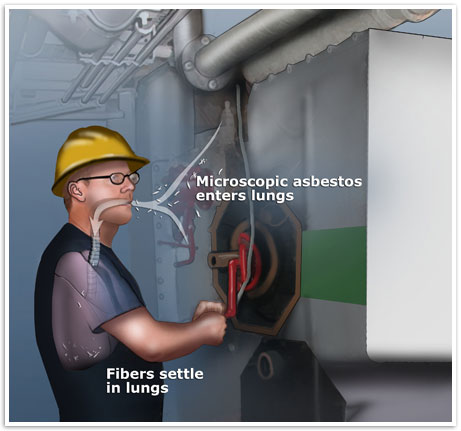
Mesothelioma is a cancer that occurs in the mesothelium, a thin membrane encompassing the body’s internal organs and cavities. Mesothelioma is caused by asbestos exposure. Asbestos fibers that are inhaled through the mouth and nose may eventually become embedded in the lining of the lungs, causing harmful inflammation of the pleura and resulting in mesothelioma or asbestosis (scar tissue formation in the lungs). It has also been found that swallowing asbestos fibers could contribute to a form of the malignancy originating in the abdomen known as peritoneal mesothelioma.
Mesothelioma generally results from occupational asbestos exposure but there are instances of environmental exposure that can also cause the disease. Oftentimes a family member can be affected indirectly by second hand exposure from an asbestos worker’s soiled work clothes.
Asbestos was an effective insulation material. It was used liberally in commercial and industrial products in the United States until being regulated in a joint effort between the Consumer Product Safety Commission and the Environmental Protection Agency in 1989. Occupational exposure was common among workers who encountered these products in many industries including shipbuilding, power plants, and other industrial settings.
Asbestos insulation workers appear to have the highest rate of asbestos related disease. One study reports that almost six percent of asbestos workers fall victim to mesothelioma or experience respiratory symptoms. Asbestos insulation workers are over 300 times more likely to be diagnosed with mesothelioma than those with no exposure history.

How does exposure to asbestos cause mesothelioma?

Asbestos fibers are microscopic, though they are also quite durable. For this reason, asbestos was used in a number of different industrial compounds to enhance strength and resistance to temperature extremes- two properties at which the mineral is highly adept. Asbestos exposure most often occurred among individuals who worked extensively with asbestos or asbestos-containing materials. Friable asbestos (meaning loose or airborne fibers) is easily inhaled- often without the exposed person realizing.
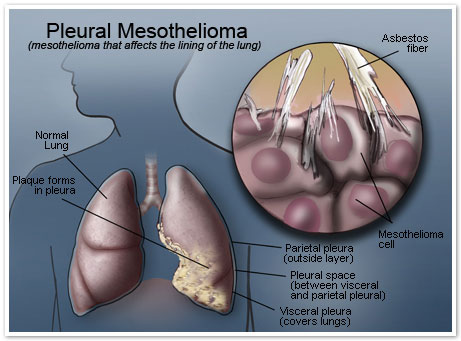
When inhaled, asbestos lodges easily in the outer lung tissue and within the mesothelium. The mesothelium is a thin membrane of cells which produces a lubricating fluid on the surface of the organs. This lubricant allows the lung and other internal structures to expand, contract, and move freely without friction in the body cavity. There is a great deal of latency associated with mesothelioma between exposure to asbestos and the onset of symptoms. Over time (often 40 or 50 years) asbestos irritates this tissue, causing inflammation and malignant scar tissue plaques on the surface of the mesothelium. These plaques are the foundation of the mesothelioma tumor.
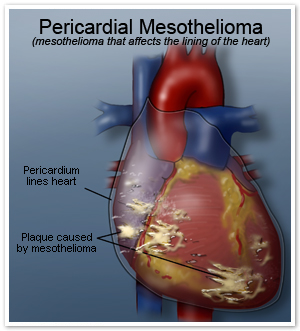
Pleural mesothelioma is the most common variety of the disease and forms on the pleural membrane, which surrounds the lung and chest cavity. Peritoneal mesothelioma is less common and forms on the surface of the peritoneum, a thin membrane surrounding the abdominal cavity. Pericardial mesothelioma is the least common variety of the disease and forms in the cardiac cavity that envelops the heart, a mesothelial membrane known as the pericardium.
Inhaled asbestos fibers are known to be the cause of pleural mesothelioma, whereas ingested asbestos fibers are the cause of peritoneal mesothelioma. While the exact causal nature between asbestos and pericardial mesothelioma is not known, physicians and cancer researchers surmise asbestos fibers in the blood stream lodge in the outer layers of the heart’s ventricles and lodge in the pericardium. Once asbestos fibers reach the surface of the peritoneum or pericardium, the inflammation process is essentially the same as it is on the surface of the pleura.
Primary workplace exposure to the mineral was common in naval shipyards, power plants, railroad infrastructure, and other industrial jobsites. However, asbestos-related mesotheliomas have also been diagnosed in spouses or children of those exposed to asbestos. Workers often brought home dangerous asbestos fibers on their clothing, hair, or person. Those who came into contact with these fibers on the person or their clothing have developed mesothelioma as a result.

Other Contributing Factors

Mesothelioma is also causally associated with a few other factors, but many of these are attributed to the development of mesothelioma in conjunction with exposure to asbestos.

Smoking

Those who smoke are at a higher risk of mesothelioma, though smoking is more commonly associated with traditional lung carcinomas. Smoking tends to enhance risk even further in those who were also exposed to asbestos.

Radiation Exposure

While extremely rare, some mesothelioma patients attribute their diagnosis to exposure to radiation rather than exposure to asbestos. Radiation tends to transform and mutate cell growth patterns and is more commonly associated with brain and blood cancers.

Carbon Nanotubes

Research is extremely preliminary in this study, but some laboratory studies indicate a molecular similarity between asbestos mineral fibers and carbon nanotubes. Tests indicate a pronounced risk of mesothelioma in some laboratory animals implanted with carbon nanotubes.

What Should I do if I have been diagnosed with Mesothelioma?

Many of those diagnosed with mesothelioma wonder if asbestos exposure is to be blamed for their illness. Asbestos was used in thousands of commercial and industrial products. These include, but are not limited to roofing material, insulation compounds, joint compounds, cements, siding, floor and ceiling, tiles, glue, and any other product designed specifically to withstand heat and temperature extremes.
If you worked with one of these products and have been diagnosed with mesothelioma, it is highly likely asbestos is the cause of your illness. To help you in recovering costs for mesothelioma treatment as well as damages to assist your family, you should speak with a well-versed asbestos attorney to determine if you’re eligible for compensation. Court documents now indicate many of these product manufacturers were well aware of the hazards which asbestos posed but continued to endanger employees and the public by exposure to the mineral. To learn more about the relationship between asbestos exposure and mesothelioma, or to find out if you’re eligible for financial compensation for your illness, please fill out the brief form on this page.
Read More...

Malignant Mesothelioma

Malignant Mesothelioma is a rare form of cancer that affects the thin cell wall lining of the body's internal organs and structures. This lining is known as the mesothelium. Malignant mesothelioma has three known varieties. They are malignant pleural mesothelioma, malignant pericardial mesothelioma, and malignant peritoneal mesothelioma. Pleural mesothelioma occurs in the pleura, the lung's lining. Peritoneal mesothelioma occurs in the peritoneum, the abdominal cavity wall. And pericardial mesothelioma occurs in the lining of the hearth, known as the pericardium.

What Causes Malignant Mesothelioma?

Mesothelioma is known only to be caused by asbestos exposure. Asbestos is a nature, yet toxic mineral that was used commonly in heavy industry. Microscopic asbestos fibers enter the body through the lung or ingestion. Once inside, the durable fibers are unable to be broken down or expelled by the body, causing a harmful inflammation and scarring of the mesothelium. This scarring lays the groundwork for malignant mesothelioma and other respiratory conditions, such as asbestosis.
There is a great deal of latency associated with asbestos exposure and the onset of mesothelioma. Often patients will not encounter mesothelioma symptoms until 30-50 years following exposure to asbestos. In many cases, those diagnosed with mesothelioma are not those who were directly exposed to asbestos in a jobsite setting. Spouses and children of those exposed to asbestos who frequently came into contact with the fibers on the clothing or person of those exposed have also developed malignant mesothelioma as a result.

How is Malignant Mesothelioma Treated?

Malignant mesothelioma prognosis is poor, as often the disease will be diagnosed in its later stages after symptoms have appeared. However, there are several treatment options for the management of the cancer. Among these are mesothelioma chemotherapy, radiation therapy, and surgical resection. Chemotherapeutic and radiation therapy methods are more likely but surgery is often an option for those whose disease is diagnosed early enough.
More aggressive therapies are now possible for patients with mesothelioma diagnosed in its earlier stages. For instance, extrapleural pneumonectomy is now possible in many pleural mesothelioma patients who are deemed eligible for aggressive surgery. Extrapleural pneumonectomy involves the removal of the entire affected lung, the pericardium, the pleura, and the diaphragm. This aggressive surgery is performed frequently in early stage mesothelioma patients by Dr. David Sugarbaker at the Brigham and Women's Hospital in Boston, MA.
Patient's who are eligible to receive an aggressive surgery, like an extrapleural pneumonectomy, will have a far more favorable prognosis than those diagnosed with advanced stage inoperable disease. However, there are treatment options for nearly all mesothelioma patients. Chemotherapy cocktails such as the use of Alimta® in conjunction with Cisplatin, as well as numerous other clinical trial being carried out give mesothelioma patients the ability to slow the advance of the disease and extend survival rates.

Malignant Pleural Mesothelioma

Malignant pleural mesothelioma is the most common type of mesothelioma and occurs in the mesothelial membrane surrounding the chest cavity and lungs. Pleural mesothelioma, because it is more common than other varieties of the malignancy, has had more research invested in it. Pleural mesothelioma represents approximately 70% of all mesothelioma diagnoses.

Malignant Peritoneal Mesothelioma

Malignant peritoneal mesothelioma is less common than pleural mesothelioma and represents approximately 15-20% of all mesothelioma diagnoses. Peritoneal mesothelioma occurs in the lining of the abdominal cavity in the membrane surrounding the organs of this region. Like pleural mesothelioma, peritoneal mesothelioma is known only to be caused by exposure to asbestos.

Malignant Pericardial Mesothelioma

Malignant pericardial mesothelioma is among the rarest of all known malignancies, and represents less than 10% of all mesothelioma diagnoses. Pericardial mesotheliomas occur within the mesothelial lining of the heart. Pericardial mesotheliomas, like those of pleural and peritoneal varieties, are associated with asbestos exposure. Pericardial mesotheliomas differ from the pleural variant in that they are known to occur in younger individuals. While surgery is seen as the preferred method of treatment, mobidity and mortality are almost certain given the region in which the tumor is located.

How is Malignant Mesothelioma diagnosed?

Malignant Mesothelioma will typically be suspected if the patient complains of chest pain, difficulty breathing, shortness of breath, chronic cough, or difficulty swallowing. While any of these could indicate mesothelioma, they are also associated with many other respiratory conditions so further diagnostic procedures are typically warranted before an accurate malignant mesothelioma diagnosis can be made. These may include imaging scans, such as computer topography or magnetic resonance imaging. A diagnostic biopsy is also required for cancer specialist to examine the behavior of these cells before a diagnosis is determined.
Misdiagnosis is not uncommon in patients of the malignant mesothelioma, because the disease's symptoms so closely resemble those of other related conditions, including lung cancer, and other respiratory ailments. For this reason those who are at high-risk of mesothelioma (including those with asbestos history) should consult with physicians and cancer centers well versed in the treatment and diagnosis of malignant mesothelioma.

What options do patients of Malignant Mesothelioma have?

Unfortunately, many of those diagnosed with malignant mesothelioma have incurred illness as a result of a negligent exposure to asbestos. It is now clear that many asbestos manufacturers were well aware of the hazards of asbestos and asbestos exposure. Hundreds of thousands of laborers and workers have been exposed in shipyards, power plants, factories, and other jobsites- thousands of which develop malignant mesothelioma each year.
Patients of malignant mesothelioma or any other asbestos related health complications should consult their physician regarding the many mesothelioma treatment options that are available.  Also, patients may be eligible for compensation if they were wrongfully exposed. All those seeking further information should fill out the brief contact form on this page to receive a mesothelioma and asbestos information packet detailing treatment and legal options.
Read More...

Pericardial Mesothelioma

Malignant mesothelioma is a type of cancer that originates in the mesothelium, a thin wall of cells that surround the body's organs and internal structures. Pericardial mesothelioma originates in the lining of the heart. Other locales of the disease are malignant pleural mesothelioma, which occurs in the lining of the lungs and malignant peritoneal mesothelioma, which occurs in the abdomen wall. Pericardial mesothelioma is the rarest of these malignancies and accounts for only an estimated 10 percent of all mesothelioma incidences annually.

What Causes Pericardial Mesothelioma?

Pericardial mesothelioma is an asbestos cancer, meaning it's only known cause is asbestos exposure. Asbestos is a naturally occurring, but toxic, mineral that was used in industrial capacities. While the precise route by which microscopic asbestos fibers reaches the pericardial lining is not known, mesothelioma doctors surmise that inhaled asbestos fibers are absorbed into the bloodstream and become entangled in the heart's lining as the blood processes through the heart. Malignant mesothelioma occurring in other parts of the body, such as in the pleura or peritoneum, can also metastasize to the pericardial lining.

How is Pericardial Mesothelioma Treated?

Prognoses are poor in cases of pericardial mesothelioma, just as nearly every mesothelioma prognosis is. However, several treatment options exist to help patients manage the disease and maintain comfort. Chemotherapy and radiation therapy are the most likely mesothelioma treatment options for patients of this disease. Mesothelioma surgery is typically not an option because of the location of the disease and the risk of grave damage to the tumor area.

How is Pericardial Mesothelioma Diagnosed?

Physicians will often suspect pericardial mesothelioma diagnosis if the patient has trouble breathing, shortness of breath, or chest pain. A comprehensive diagnostic and biopsy process will be undergone through use of multiple body imaging scans.

What are a Patient's Options?

Patients of pericardial mesothelioma may be eligible for financial compensation if they were wrongly exposed to asbestos. Anyone who worked with asbestos products is potentially at-risk and should fill out the brief form on this page to receive additional treatment and legal information.
Read More...

Peritoneal Mesothelioma

Malignant peritoneal mesothelioma is a rare type of cancer that occurs in the thin cell walls which surround the abdominal cavity, known as the peritoneum. This thin membrane acts a lubricant within the abdominal cavity so that surrounding organs and internal body structures may contract and expand within their normal body function. Incidence of peritoneal mesothelioma is quite rare, and typically presents in less than 500 individuals in the United States each year.
Other types of mesothelioma include the more common malignant pleural mesothelioma, occurring in the chest wall membrane surrounding the lungs, and malignant pericardial mesothelioma, which occurs in the pericardial lining of the heart. Peritoneal mesothelioma is the second rarest form of the disease and accounts for approximately 20% of all mesothelioma cases each year.

What Causes Peritoneal Mesothelioma?

Peritoneal mesothelioma is known only to be caused by exposure to asbestos, a microscopic natural fiber that was used heavily in industry. Asbestos is said to reach the abdominal wall by one of two methods. The first is through ingested asbestos fibers which are processed through digestion and become lodged in the peritoneum. The other method is through the lungs and lymph nodes, by inhaled asbestos fibers. Malignant mesothelioma of the pleura is also known to metastasize directly into the abdominal cavity if its spread is not slowed.
Many of those who have worked with asbestos materials have developed peritoneal mesothelioma as a result of exposure to friable asbestos fibers. Asbestos was used in myriad industrial materials and construction products. Exposure to asbestos was common in aluminum plants, steel mills, power plants, and naval shipyards.
Peritoneal mesothelioma is a relatively rare disease, with only 200-500 diagnoses each year in the United States being documented. Risk however, is sustained in those who have been exposed to asbestos. Even those exposed many years ago are potentially at risk for the development of malignant peritoneal mesothelioma. Latency between exposure to asbestos and the development of peritoneal mesothelioma symptoms can be anywhere from 20-50 years. Misdiagnosis is also common because peritoneal mesothelioma symptoms closely mimic minor stomach/abdominal discomfort and hernia. Nevertheless, those with clear asbestos exposure history should be aware of the disease and speak with their doctor or cancer specialist if they believe they may be experiencing symptoms related to mesothelioma.

How is Peritoneal Mesothelioma Treated?

Prognosis of mesothelioma patients is poor, and peritoneal mesothelioma patients are no exception. Most peritoneal treatment regimens for patients include palliative methods such as mesothelioma chemotherapy and radiation therapy. However, if the disease is diagnosed in its earlier stages, patients such as those diagnosed with stage 1 mesothelioma, may be eligible for surgical resection of the disease, which could potentially add years to the initial prognosis.
Surgery is possible for patients diagnosed with earlier-stage disease. Some surgical options include peritonectomy and palliative procedures. Certain physicians, including Dr. David Sugarbaker of the International Mesothelioma Program at Brigham and Women’s Hospital in Boston, MA, have become extremely well versed and experienced in the surgical treatment of malignant mesothelioma. In many cases, surgical treatment for mesothelioma will be coupled with chemotherapy or radiation therapy regimens.
Chemotherapy is the most common treatment for mesothelioma disease. Currently, there is only a single chemotherapy regimen (Alimta® (pemetrexed) in conjunction with Cisplatin) approved by the Food and Drug Administration as a prescribed therapy for the treatment of malignant pleural mesothelioma. There are however, dozens of clinical trials being conducted for mesothelioma patients experimenting with new drugs, including Gemcitabine, Navelbine, Onconase, and others for the treatment of malignant peritoneal mesothelioma.

How is Peritoneal Mesothelioma Diagnosed?

Doctors may suspect peritoneal mesothelioma if the patient complains of stomach, chest, or abdominal pain. Suspicious hernias may actually be a peritoneal effusion caused by peritoneal tumor growth. Misdiagnosis is common and patients will likely undergo multiple imaging scans and a diagnostic biopsy before an official diagnosis is made.
Diagnostic procedures in which fluid is extracted from the peritoneum for lab testing are the only way to conclusively diagnose peritoneal mesothelioma. Samples will be examined for the presence of malignant cells. Once malignant cells are detected, further testing will be needed to classify these cells as malignant mesothelioma.

What are a patient's options?

Patients of peritoneal mesothelioma may be eligible for financial compensation if they were harmfully exposed to asbestos. For additional information on your legal rights regarding mesothelioma please fill out the brief form on this page.
Read More...

Pleural Mesothelioma

Pleural mesothelioma is a rare cancer often diagnosed in people who have been exposed to high levels of asbestos. The malignancy affects the pleura, a thin membrane of lubricating cells that lines the lungs and chest wall. It sometimes takes 10 years or more for changes to appear that are indicative of pleural disease, and even long for symptoms to manifest. These differences can include a thickening or calcification of the pleural lining, a condition commonly diagnosed as pleural plaques. Conditions like pleural calcification or the development of pleural plaques often serve as pre-cursor to mesothelioma.
In most instances, pleural disease is not considered fatal but it can cause diminished lung function and may confirm that a person has sustained significant asbestos exposure. Those diagnosed with pleural conditions are generally considered to be at a higher risk for developing the more severe pleural mesothelioma.
Pleural mesothelioma originates in the pleura but can quickly spread to the outer chest wall, abdomen, and heart. Pleural mesothelioma is typically fatal within 1 year of diagnosis. However, understanding and recognizing key risk factors, like asbestos exposure, will typically lead to early detection of the cancer. Those who are fortunate to receive an early diagnosis are likely to be more eligible for life-sustaining treatments such as surgical resection of the cancer. This type of treatment can extend a patient’s life years beyond that of a typical mesothelioma patient.
While there is no cure for pleural mesothelioma, treatment options do exist for the cancer. There are ways for patients to manage the disease through tumor management including traditional radiation and chemotherapy methods, which can ease symptoms of the disease and make a patient more comfortable. In patients where a diagnosis is made of early stage disease, mesothelioma surgery can extend the survival rate far beyond previous levels in untreated disease.

Treatment and Tumor Management

Nearly all patients diagnosed with pleural mesothelioma are able to receive some form of treatment for their illness. While there is currently no cure for mesothelioma, patients have been able to extend initial prognosis through advanced mesothelioma treatment regimens currently being developed at clinics and cancer centers across the United States.

Surgery

Surgical resection is difficult in pleural mesothelioma patients when the disease is diagnosed in later stages because at that time the tumor has typically metastasized to other areas of the body like the abdominal cavity and lymph nodes. However, in early stage diagnoses, surgery can absolutely be utilized to slow the advance of mesothelioma disease.
Common surgical procedures utilized in the management of malignant mesothelioma are pneumonectomy and extrapleural pneumonectomy. Pneumonectomy is a general procedure utilized not only in patients of malignant mesothelioma, but also for those battling lung cancers or related lung conditions. Pleurectomy involves the removal of a either a portion of or the entire affected lung in patients. Extrapleural pneumonectomy is a more comprehensive procedure that is more tailored to mesothelioma patients and involves the removal of the entire affected lung, the pleura, the diaphragm, and the pericardium, which is the mesothelial lining that surrounds the heart cavity.

Chemotherapy

Chemotherapy is likely the most prevalent treatment utilized by patients of malignant pleural mesothelioma. While several different chemotherapy drugs have been utilized to varying degrees of effectiveness for the management of malignant pleural mesothelioma, only one has been approved by the Food and Drug Administration as a prescribed therapy for the treatment of malignant pleural mesothelioma. A combination of Alimta(Pemetrexed) and Cisplatin is currently the only drug combination in approved status. However, several other clinical trials are currently active attempting to determine the effectiveness of other drugs including Gemcitabine, Navelbine, and Onconase.

Radiation Therapy

Radiation therapy has been utilized in the treatment of many types of cancer and pleural mesothelioma is no different. Often, radiation is not able to manage cancer by itself so it is combined with either surgery, chemotherapy, or both to augment the treatment plan as a whole. Radiation therapy for pleural mesothelioma utilizes external beam radiation to mutate tumor cells within the body and slow their growth and spread.

Alternative and Complementary Therapies

A growing school in cancer care involves integrative approaches to the treatment of cancer. Integrative oncology utilizes not only the conventional therapies discussed above, but also untraditional therapies such as acupuncture, massage, and reflexology to assist the patient in managing pain, anxiety, and restlessness. Patients battling pleural mesothelioma have effectively utilized alternative therapies like these to increase the effectiveness of their treatment program overall. Generally, patients who are able to withstand the difficult side-effects of more potent chemotherapy and radiation treatments will be best able to extend their prognosis. Patients of pleural mesothelioma who have utilized alternative therapies have been able to do just that. However, most of these therapies are preferential and will depend on the health of the patient as to whether or not they will be able to engage in them. As with any treatment, patients should seek the consultation of their oncologist or cancer specialist before engaging in any alternative therapy.

What Causes Pleural Mesothelioma?

Pleural mesothelioma is known only be caused by exposure to asbestos. Asbestos is a naturally occurring and microscopic mineral that was used for hundreds of years in a number of different industrial compounds. Asbestos fibers are extremely durable, but also extremely difficult to expel from the body once introduced to the internal tissue.
Upon inhalation, asbestos fibers will lodge on the outer layers of the lung tissue and within the pleura, a thin membrane of mesothelial cells which lines the chest cavity. This lining allows for the free movement of the body’s internal body structures because it provides a special lubrication to the surface of these structures. The pleura, like other mesothelial membranes, is a delicate structure and microscopic asbestos fibers can cause pleural plaques to form on its surface. Pleural plaques may eventually develop into pleural mesothelioma tumor cells. Generally, it takes many years between asbestos exposure and the development of adverse health complications, as the fibers will slowly irritate and inflame the internal tissue over time until symptoms appear.
Many of those exposed to asbestos have successfully received compensation from asbestos product manufacturers for injuries and illnesses such as pleural mesothelioma. If you believe you were wrongfully exposed to asbestos and have developed an asbestos-related health complication, we urge you to complete the brief form on this page. We’ll rush you a complimentary mesothelioma and asbestos exposure information packet detailing advancements in the treatment of pleural mesothelioma, top doctors and cancer centers, and mesothelioma attorney options you may have.

Don't Let Time Get in the Way!

Don't let time prevent you from taking legal action if you have been diagnosed with malignant pleural mesothelioma as a result of asbestos exposure. Every state establishes set timeframes for filing lawsuits for an asbestos related injury. These timeframes are also known as the state statutes of limitation. The deadlines established in the statutes are fixed so it is important to consult with a legal professional soon after the onset of an asbestos related illness to determine what, if any action may be appropriate.
Read More...

Selasa, 22 Januari 2013

Mesothelioma Types

How are different types of mesothelioma classified?

Types of Mesothelioma by Site

Pleural Mesothelioma

Malignant pleural mesothelioma often originates within the chest cavity and can, at times, involve the lung. This particular form of mesothelioma can metastasize to numerous organs in the body - even the brain - and tends to do so more frequently than not.
Pleural mesothelioma is not always easily detectable. Frequently, in the early stages of the disease, such as stage 1 mesothelioma, symptoms may be mild. Patients usually report pain in one area of the chest that never seems to go away, weight loss and fever. Occasionally, other symptoms are more severe and include problems with breathing due to fluid build up in the chest. A CT Scan of the chest area has proven to be the best test for identifying how far along the disease has progressed.
Frequently serum markers are used to diagnose of various forms of cancer. Mesothelioma cannot be diagnosed using this method as no serum markers currently exist. If high levels of hyaluronic acid are present it may be possible to distinguish mesothelioma types from other types of cancer or to determine the effectiveness of a treatment protocol.
The mesothelioma survival rate for patients diagnosed with pleural mesothelioma typically is not high as patients often do not live beyond seventeen months from the onset of symptoms. Only 8% of those with a mesothelioma diagnosis will live three to five years from the onset of mesothelioma symptoms.

Peritoneal Mesothelioma

Peritoneal mesothelioma originates in the abdomen and will frequently spread to other organs in area including the liver, spleen or bowel. Severe abdominal pain is the most common complaint that patients present to mesothelioma doctors. There may also be a discomfort level with fluid buildup in the abdomen as well. Other symptoms of peritoneal mesothelioma may include difficult bowel movements, nausea and vomiting, fever and swollen feet.
The survival rate is even worse for those diagnosed with peritoneal mesothelioma with patients typically surviving only ten months from the time that they first started experiencing the symptoms noted above.

Pericardial Mesothelioma

Pericardial mesothelioma is the least common form of mesothelioma. Pericardial mesothelioma, as the name suggests, involves the heart. This rare type of mesothelioma cancer invades the pericardium, the sac that surrounds the heart. As the cancer progresses, the heart is not able to deliver oxygen as efficiently to the body causing further decline in health at an increasingly rapid rate. The symptoms most commonly associated with pericardial mesothelioma mimic those of a heart attack: nausea, pain in the chest and shortness of breath.

Types of Mesothelioma Tumors

Malignant Mesothelioma

Malignant mesothelioma is an uncommon form of cancer and of all asbestos related diseases, the most serious. The symptoms associated with the disease make it difficult for doctors to diagnose. Often, by the time that a proper diagnosis is made, the disease has progressed to a point where patients do not respond well to treatment therapy. Malignant mesothelioma is caused almost exclusively by the inhalation of airborne asbestos particles. Another unique factor associated with the disease is that there can be a long latency period between the time of asbestos exposure and the actual manifestation of the disease in the form of malignant mesothelioma.

Benign Mesothelioma

Benign mesothelioma, or non-malignant mesothelioma, is much easier to treat than the malignant form of the cancer and can be treated successfully in many cases.

Mesothelioma Cell Types

Epithelial Mesothelioma

Epithelial Mesothelioma is the most common cell type and accounts for approximately 50-75% percent of all diagnosed cases each year. These cells are uniform in shape, with an elongated pattern that makes them easily distinguishable when viewed under high magnification. These types ofcancercells are adenocarcinomas, malignancies which are more commonly associated with pure lung cancers as opposed to cancers of the mesothelium.

Sarcomatoid Mesothelioma

Sarcomatoid mesothelioma is a less common cell type, accounting for between 7 and 20% of mesothelioma cases each year. These cells grow forth out of supportive structures, such as muscles and bones.

Biphasic Mesothelioma

Biphasic mesotheliomas are those with a mix of epithelial and sarcomatoid cell types. Mesothelioma treatment options do not vary greatly for different cell types, but often sarcomatoid mesotheliomas are more difficult to treat as a result of the surrounding affected tissues that they spread from.

Papillary Mesothelioma

Papillary mesothelioma, also known as well-differentiated mesothelioma, is a form of the asbestos cancer that typically affects women. In many cases this cell type is benign and not likely to spread to other organs in the body.

Read More...

Minggu, 20 Januari 2013

Papillary Mesothelioma

Papillary mesothelioma, also known as well-differentiated papillary mesothelioma (WDPM), is an uncommon variation of epithelioma mesothelioma. It is frequently diagnosed in women, generally those who are still in the reproductive stages of their life, but it has also been clinically diagnosed in men as well.
The disease usually develops in the peritoneum - the lining of the abdomen - and, in most cases, is benign. Papillary mesothelioma, however, has also been seen to have origins in the tunica vaginalis, part of the male reproductive system as well as in the pleura or the lining of the lungs.
Papillary mesothelioma tumors generally cause no pain and the mesothelioma prognosis for someone diagnosed with such a tumor is usually very favorable. Unlike malignant mesothelioma of various types, however, this kind of mesothelioma cannot be definitively linked to asbestos exposure though a connection has been made in some cases.
Because the occurrence of this disease is quite rare, there is no standard mesothelioma treatment at this time. Past reports have shown that mesothelioma doctors who do encounter WDPM have offered surgical removal of the tumor as a possible treatment and others have shrunk the tumor with mesothelioma chemotherapy or radiation. However, it is rare that this kind of tumor spreads to other parts of the body, so mesothelioma surgery is usually the preferred option. Reoccurrence of the disease does happen in many cases but is not an indication that the patient will later develop a malignant form of mesothelioma cancer.
Read More...

Biphasic Mesothelioma

Biphasic mesothelioma is the second most common cellular form of this disease, accounting for 20 to 40 percent of all known cases. As the name implies, biphasic mesothelioma is a mixture of two mesothelioma cell types.

Characteristics

Unlike the more common epithelioid type, biphasic mesothelioma cells lack a specific structure. This type of mesothelioma is a mix of epithelioid and sarcomatoid cells. Whereas the former has a clearly visible nucleus and is found in uniform, organized arrangements and tend to be of a single shape, sarcomatoid cells are more oval or oblong shaped and have no easily identifiable nucleus. Although both mesothelioma types are present in a biphasic tumor, they have a tendency to form in differentiated groups; they are not usually found in the same area of the tumor.

Diagnosis and Treatment

Mesothelioma cancer is exceptionally difficult to diagnose, which is why a mesothelioma diagnosis is usually not made until stage 3 mesothelioma or stage 4 mesothelioma is reached. It is important to confirm a history of asbestos exposure, as mesothelioma symptoms are similar to a wide range of respiratory illnesses.
Mesothelioma doctors usually take an x-ray; if there is cause for concern, the patient is referred to a radiology lab, where more advanced images are taken. If abnormal areas are discovered, a tissue sample, or biopsy is taken to confirm the diagnosis.
A recent test developed by a Japanese biotech company, called MESOMARK™, may help pathologists in diagnosing mesothelioma at an earlier stage, when it is most treatable.
Treatment in most cases is limited to palliative ones, since the disease is usually diagnosed too late for mesothelioma surgery. Mesothelioma is usually treated with a multi-modal therapy involving a combination of radiation and chemotherapy; surgical techniques may be used to relieve the symptoms, but in the later stages are usually not effective in treating the disease.
Read More...

Sarcomatoid Mesothelioma

Mesothelioma is a cancer that attacks the lubricative layer lining the inside of the chest and abdomen and the internal organs. Pathologists categorize mesothelioma cancer cases according to levels of criteria, which are as follows:
Location:
Stage:
Cellular Structure:
  • Epithelial (organized and structured)
  • Sarcomatoid (random and irregular)
  • Biphasic (a mix of epithelial and sarcomatoid)
  • Desoplastic (a variation of the sarcomatoid variety)
Cellular structure is determined by an actual visual examination of the cells under a microscope.

About Sarcomatoid Mesothelioma

Sarcomatoid Mesothelioma accounts for approximately 10 to 15 percent of all diagnoses. The mesothelioma cell types in this case are elongated and spindle-shaped, and are arranged in a rather haphazard way. Sarcomatoid cells also lack a nucleus, unlike epithelioid cells, which have clearly visible nuclei.
The desoplastic variety of sarcomatoid mesothelioma is difficult to distinguish from healthy tissue in many cases, making an accurate mesothelioma diagnosis challenging.

Diagnosis

Once mesothelioma symptoms have been cataloged and a history of asbestos exposure determined, the next step is to look inside the body - initially with x-rays, followed up by more sophisticated imaging such as CT scans or MRIs. If these images reveal serious abnormalities, a biopsy (tissue samples) will be ordered. These are examined and analyzed at a lab, which usually confirms or contradicts the diagnosis.
When it comes to the sarcomatoid mesothelioma, traditional methods of biopsy pose additional challenges; the normal "needle core" method often results in false information, as sarcomatoid cells are often similar in appearance to benign fibrous tissue. Additionally, histological methods of diagnosis often make it difficult to distinguish between sarcomatoid mesothelioma and other types of unrelated sarcomatoid cancers.
A precise and accurate diagnosis is vital, because a misdiagnosis can lead to an inappropriate course of mesothelioma treatment being prescribed; it is a good idea to get a second and even a third opinion if mesothelioma is suspected.

Treatment Options

Although the details will differ depending on the individual case, all forms of cancer are treated through some combination of surgery, radiation therapy, and chemotherapy. How these are administered depends on the location and stage of the cancer.
Unfortunately, sarcomatoid mesothelioma is notoriously resistant to treatment, and the mesothelioma prognosis is not good. The average mesothelioma survival rate between diagnosis and death is seven months.
Read More...

Epithelial Mesothelioma

Epithelial mesothelioma cells have a definite structure with visible nuclei. This is the most common variant of this type of mesothelioma cancer, accounting for about 60 percent of all cases. This type of mesothelioma develops when malignant cells develop on any of the mesothelial linings. When examined under a microscope, these mesothelioma cell types are of a uniform size and shape, and resemble normal, healthy epithelial cells.
Epithelial mesothelioma cells also bear a strong resemblance to adenocarcinoma cells, which are also associated with lung tissue. Patients who have been diagnosed with adenocarcinoma should also be examined for mesothelioma diagnosis as well.

Variants

Papillary mesothelioma is an example of epithelial mesothelioma; other variants include any of the following:
  • Signet Ring
  • Single File
  • Adenoid Cystic
  • Glandular
  • Tubulopapillary
  • Histiocytoid
  • Microcystic
  • Macrocystic
  • Glomeruloid
  • Diffuse - NOS
  • Small Cell
  • Deciduoid
  • Pleomorphic
  • In Situ
  • Mucin Positive
  • Well-Differentiated Papillary
  • Gaucher Cell-Like
What differentiates these various types are the shape, size and formation of the cells. This can determine what course of mesothelioma treatment is appropriate for the patient's situations.

Epithelial Mesothelioma and Asbestos

Once asbestos fibers are inhaled, they become lodged in the lung tissue, where they remain indefinitely. Mesothelioma is associated with hard, crystalline amphibole asbestos, which consists of hard, needle-like fibers that literally bore through lung tissue over time, causing chronic inflammation that ultimately results in malignancy. The mesothelioma latency period, can be anywhere from five to seventy-five years. Mesothelioma symptoms are similar to those of other respiratory illnesses, which is why a mesothelioma diagnosis has historically been so difficult to make.
Read More...

Followers


TopBlogIndonesia.com
Type Of Mesothelioma | Template by ASR-Blanco @Copyright 2008